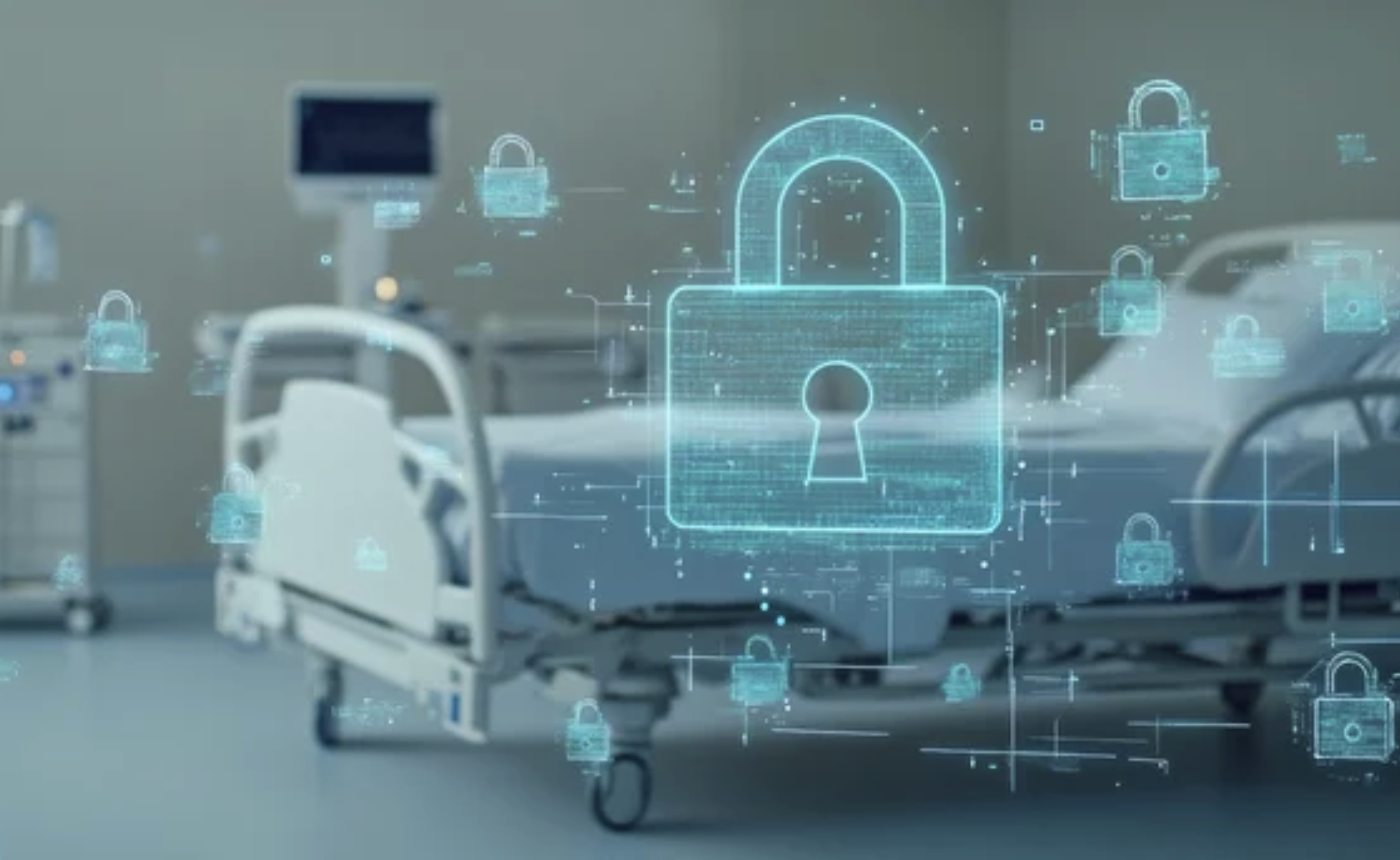

In modern healthcare, patient care extends far beyond bedside treatment. The rapid transition to Electronic Health Records, connected Internet of Medical Things devices, and cloud-based diagnostics has streamlined care delivery across every department. However, this rapid digital transformation has also turned healthcare facilities into high-value targets for cybercriminals worldwide. Unlike standard corporate breaches where credit card numbers or logins are compromised, healthcare breaches leak Protected Health Information containing permanent medical histories, insurance profiles, and Social Security numbers that command a massive premium on the black market.
The evolving healthcare threat landscape involves several sophisticated attack vectors. Cybercriminals frequently deploy ransomware to lock down critical hospital databases, encryption keys, or medical imaging tools, demanding payouts while halting surgeries and delaying emergency routing. Overwhelmed medical staff face deceptive phishing emails designed to capture network credentials, granting malicious actors lateral movement across an entire hospital enterprise. Furthermore, smart infusion pumps, heart monitors, and imaging machinery add clinical convenience but expand the attack surface, while third-party billing and cloud vendors provide back-door access if their own systems are compromised.
Securing patient data requires moving beyond traditional perimeter security toward a resilient, multi-layered defensive framework. The foundation begins with implementing a Zero Trust architecture, which operates on the premise of constant authentication rather than trusting any device inside the network perimeter. Alongside Zero Trust, end-to-end encryption guarantees that data remains unreadable both at rest on servers and in transit across APIs, ensuring that exfiltrated files are useless to unauthorized actors.
Operational safeguards are equally critical in minimizing vulnerability. Role-Based Access Control and mandatory Multi-Factor Authentication restrict staff access to only the specific records required for their job duties, shutting down credential-based break-ins. Meanwhile, segmenting medical devices onto isolated virtual networks prevents an infected administrative laptop from compromising life-support systems, while routine employee security training transforms staff into an active line of defense against social engineering attempts.
Ultimately, regulatory compliance with frameworks like HIPAA and national cybersecurity standards serves only as a baseline for patient data protection. True institutional resilience requires proactive risk assessment, continuous incident response testing, and reliable off-site data backups. By pairing advanced threat detection with strong internal controls and staff awareness, healthcare institutions can effectively safeguard patient privacy while maintaining the uninterrupted integrity of life-saving medical care.